Yellow lawn guide
Yellow grass in Chester County does not always mean the lawn is dead. It often points to stress, low vigor, weed pressure, compaction, or insect damage that shows up first as faded color.
We see this on lawns across West Chester, Kennett Square, and Chadds Ford where older turf, mature shade, and summer stress often stack on top of each other. The trick is figuring out whether the lawn needs treatment, recovery work, or both.
Local clue: when color drops first in the sunny or most compacted areas, the lawn is usually telling you more than just “add fertilizer.”
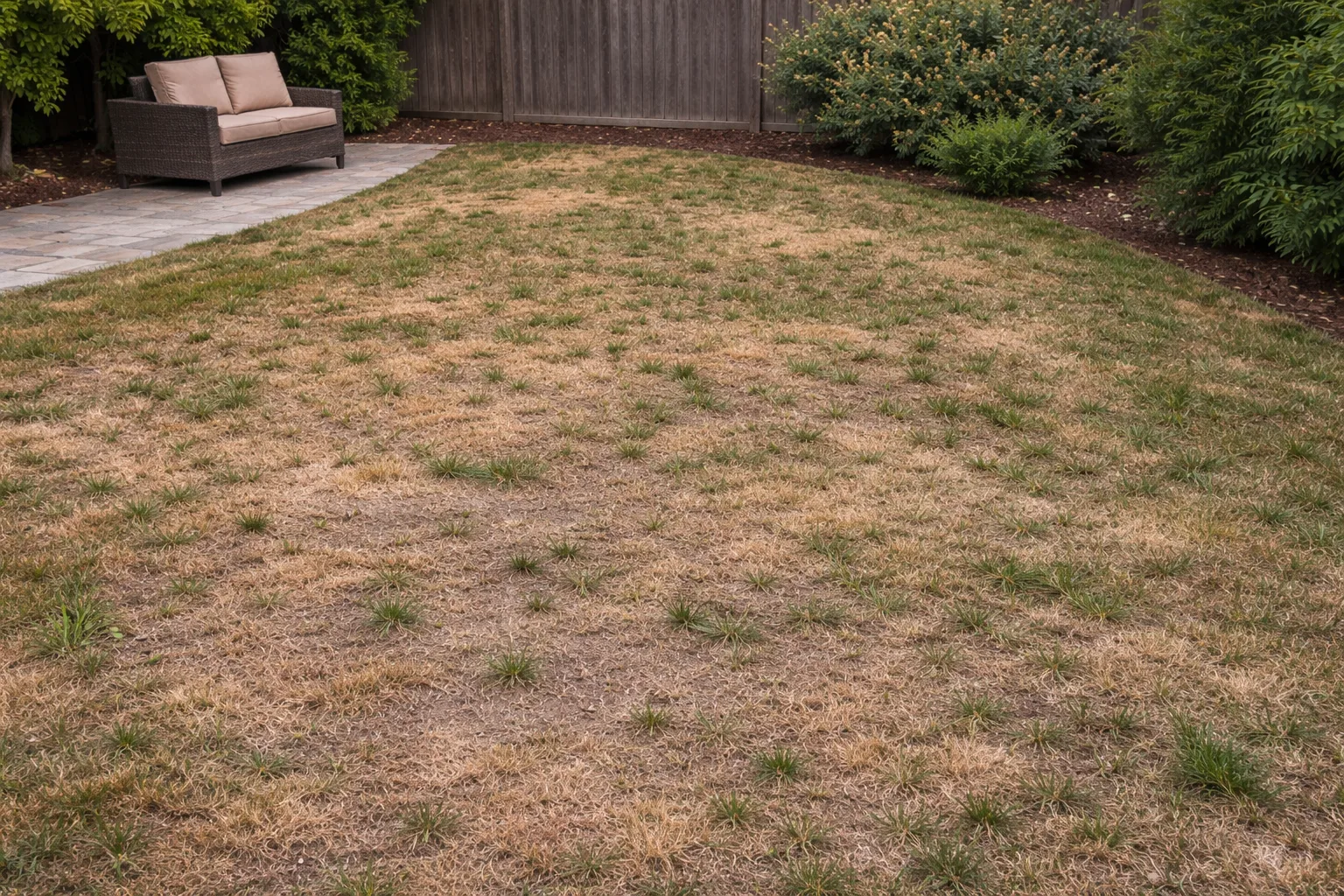
Yellow is not always the same as dead
A lawn can look washed out, uneven, or tired without being beyond recovery. That is common on Chester County properties where the turf is still hanging on but the roots, density, or seasonal timing are not supporting strong performance.
Homeowners often use yellow, brown, thin, and dead to describe the same lawn. They are not the same. A yellow lawn may still respond well if the turf has enough life left and the next step fits the real problem.
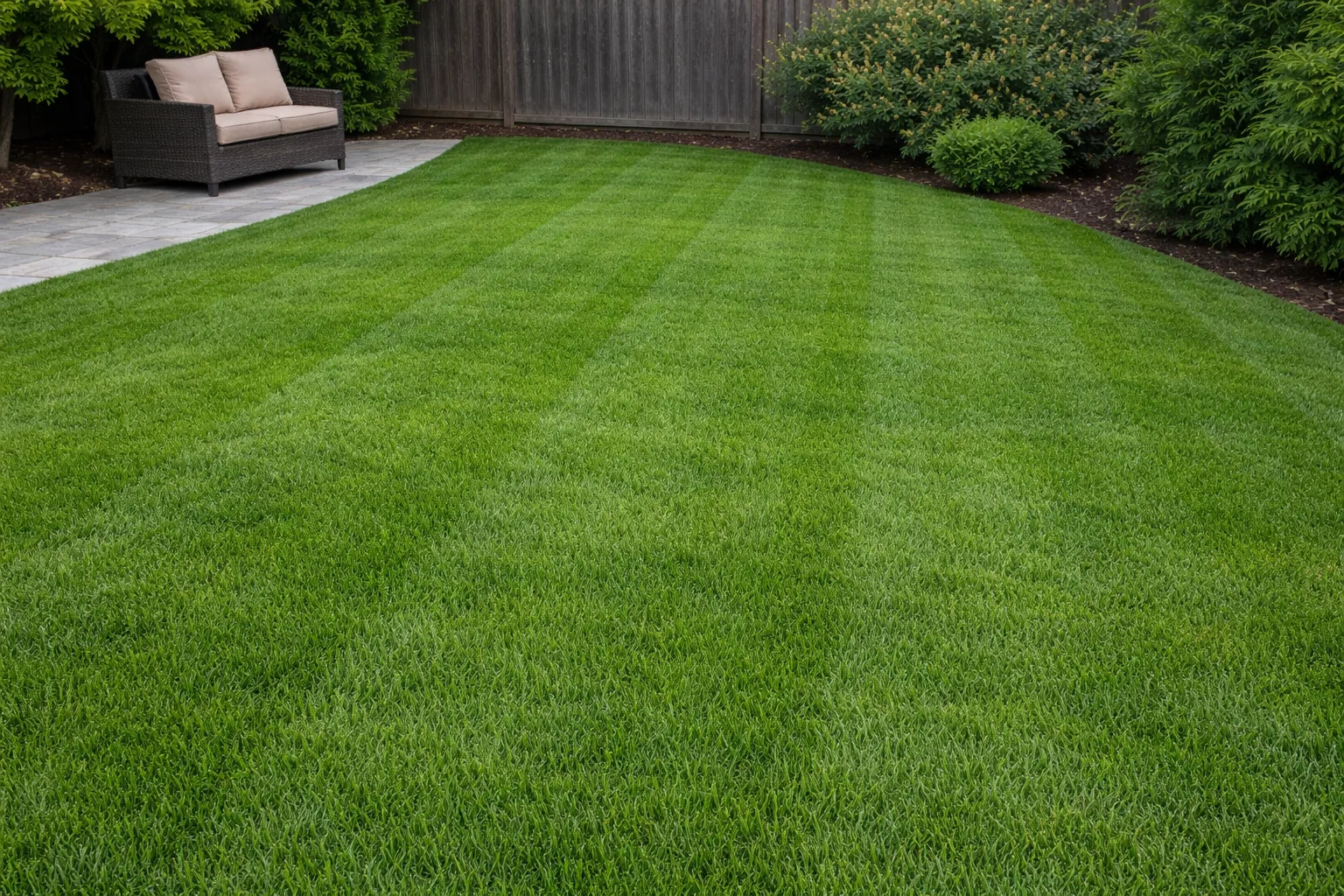
What usually causes yellow grass around here
Weak turf and a thin treatment base
If the lawn has been underfed or has too much weed pressure, color often drops before the lawn fully thins out.
Compaction and shallow root stress
Tight soil makes it harder for water, nutrients, and roots to do their job, especially in worn areas near drives, walkways, and play zones.
Insect or summer stress
Some lawns fade because the problem is below the surface or because the turf was already too weak heading into hotter weather.
What to look at before you buy another product
- Look at coverage, not just color. A pale lawn with broad coverage needs a different plan than a lawn that is also thin and open.
- Notice where the yellowing shows up first. Sunny slopes, compacted side yards, and tired backyards often tell a different story than evenly faded turf.
- Ask whether the lawn is also losing density. Once the turf is thinning, treatment alone may not be enough.
- Pay attention to season. In Chester County, fall is often the better recovery window for lawns that are both yellow and thin.
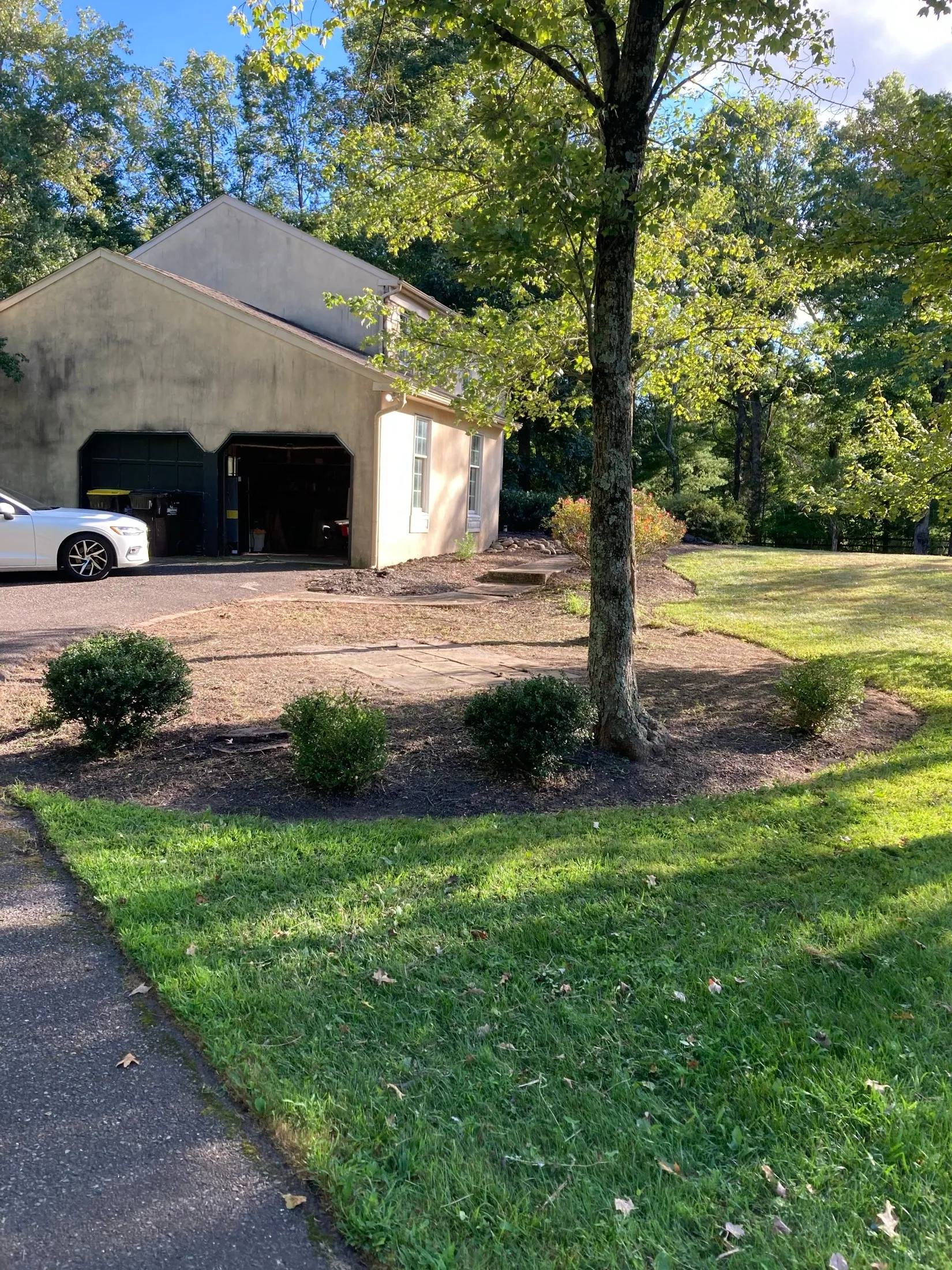
When treatment is enough and when recovery work matters
If the lawn still has decent coverage, a stronger treatment program may be the right first move. If the lawn is also patchy, compacted, or worn down, the better answer is often a recovery plan that includes aeration, overseeding, or repair work in the right season.
Color often improves fastest when the lawn is treated as a turf-health problem instead of a one-product problem.
Questions we hear about yellow lawns
Can yellow grass turn green again?
Yes, if the lawn is stressed or underperforming rather than fully dead, but the fix depends on the cause.
Should I seed yellow grass right away?
Not always. If the main issue is timing, weak vigor, or compaction, seed alone usually misses the bigger problem.
Is yellow grass always a grub problem?
No. Insect pressure is one possibility, but weak turf, weed pressure, drought, and compaction can all show up as poor color.
When should I ask for a lawn review?
If yellowing is spreading, the lawn is also thinning, or the same problem keeps returning, it makes sense to get a clearer diagnosis.
Talk with Town & Country
Need help figuring out why the lawn is yellowing?
We can help you decide whether the lawn needs stronger treatment, compaction relief, grub review, or a fall recovery plan.