Thin lawn guide
A thin lawn usually does not fill in because of one product or one weekend project. In Chester County, better density usually comes from a stronger treatment base, the right overseeding window, and enough follow-through for the lawn to recover.
That is especially true on older West Chester and Kennett Square properties where the lawn may have decent color in spots but still lack the density to hold up through summer. The goal is not to force quick growth. It is to rebuild a healthier stand of turf.
Thin lawns often look acceptable from the street and weak up close. Density, not just color, is what usually separates a strong lawn from an underperforming one.
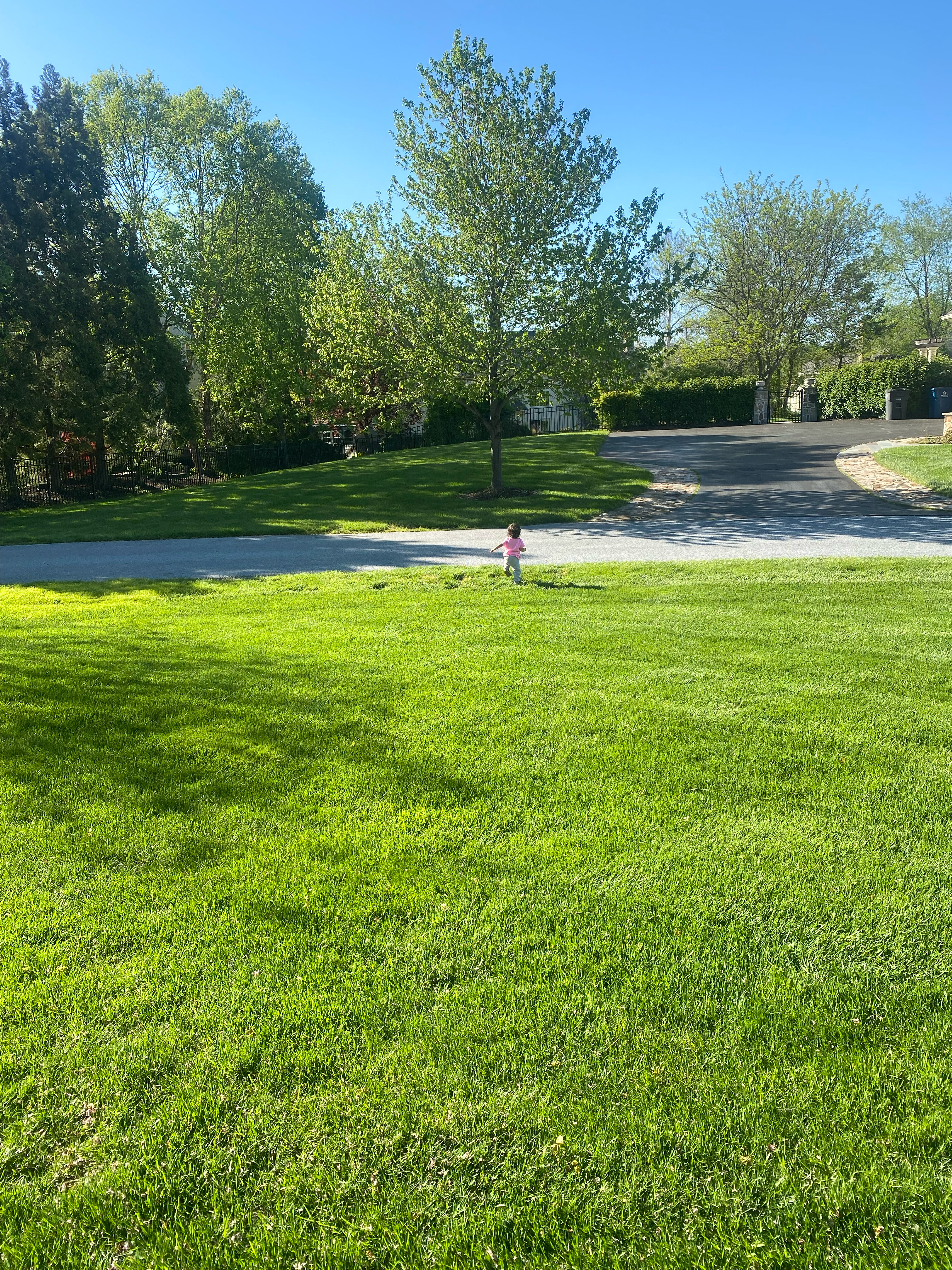
Why lawns get thin in the first place
A thin lawn is usually the result of weak turf over time rather than one sudden failure. Weed competition, summer stress, low vigor, compacted soil, and old sparse turf can all leave the lawn looking open instead of dense.
That is why throwing more fertilizer at a thin lawn does not always solve the problem. If the soil is tight or the turf is already too open, the lawn often needs a better recovery plan, not just more input.
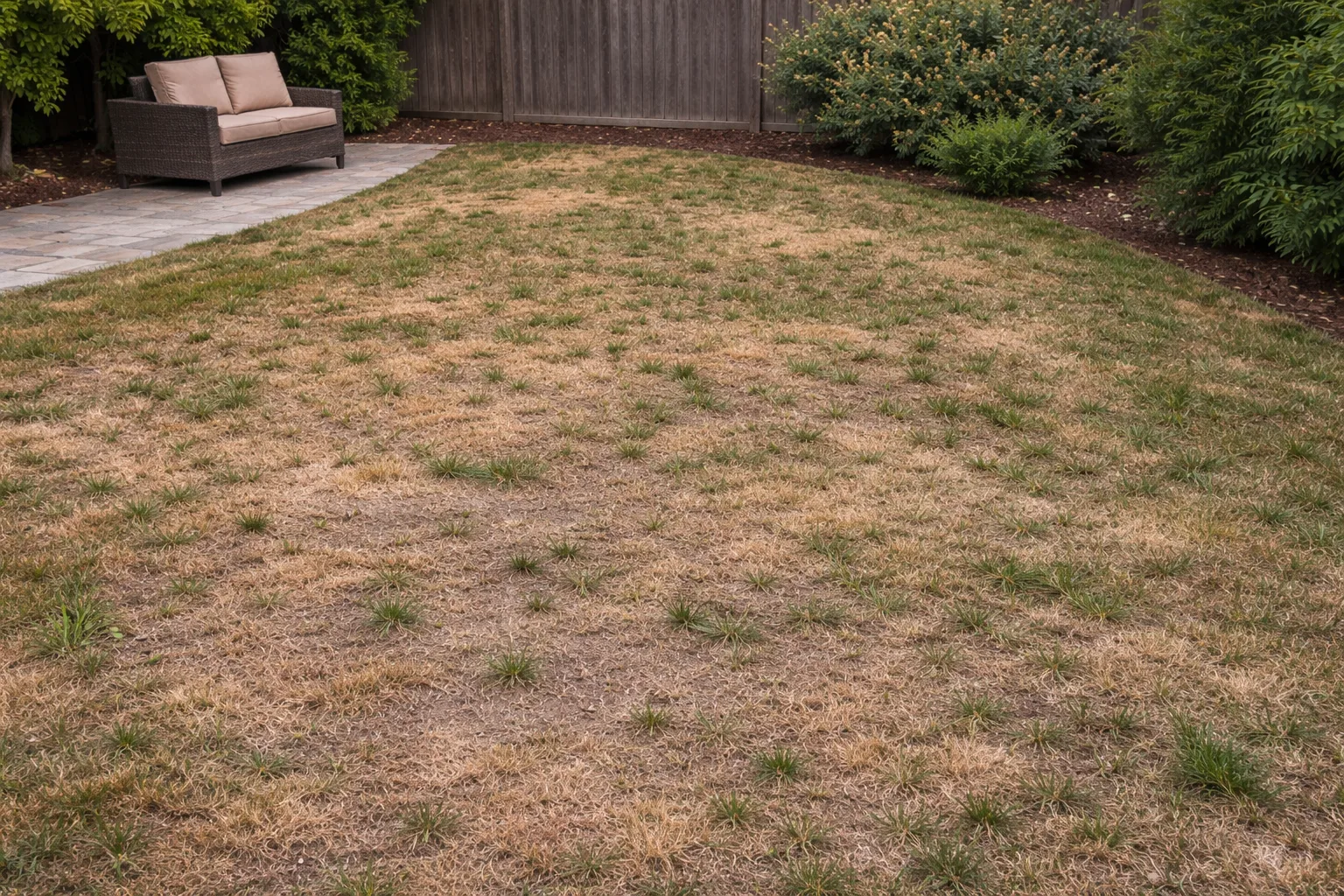
What usually helps a thin lawn fill in
Start with a stronger treatment base
If the lawn still has broad coverage and mainly looks weak, weed control and fertilization are often the first step.
Use aeration and overseeding when the turf is too open
If the lawn is clearly sparse, fall aeration and overseeding usually do more to build density than another round of surface-level treatment.
Do not ignore watering and follow-through
Seeding and recovery work depend on what happens after the service too. A better lawn still needs the right watering habits and timing to hold.
What homeowners often miss
- A thin lawn can look green and still be weak.
- Seed alone rarely solves compaction.
- Spring touch-ups and real fall recovery are not the same thing.
- If the lawn is also patchy or worn down, the problem is bigger than color.
What fuller turf can look like with the right plan
When a thin lawn is treated honestly, the result should look thicker, more even, and more resilient, not just greener for a few weeks.
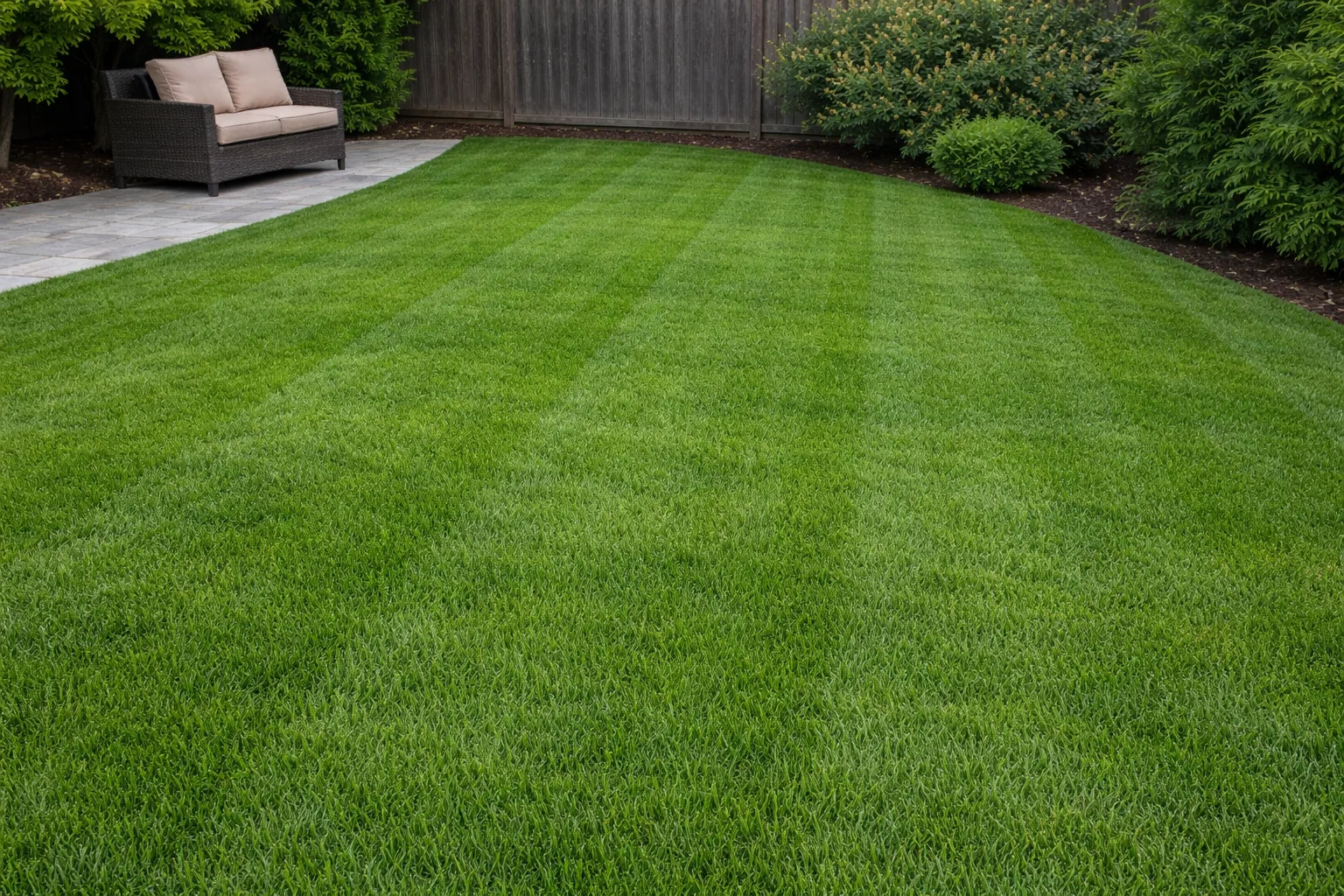
A thin lawn usually improves when treatment, overseeding, and timing work together instead of competing with each other.
Questions we hear about thin lawns
Can a thin lawn become thick again?
Often yes, but the best path depends on whether the issue is weak turf, weed pressure, compaction, or a need for overseeding.
Should I fertilize or overseed first?
That depends on the condition of the lawn. Some lawns need stronger treatment first, while others are clearly in the aeration and overseeding category.
What time of year is best for thickening grass?
Fall is usually the strongest window for meaningful density improvement on cool-season lawns in Chester County.
Is thin grass the same as patchy grass?
They overlap, but thin lawns usually describe overall low density while patchy lawns show more uneven trouble spots.
Talk with Town & Country
Want a real plan to thicken the lawn?
We can help you sort out whether the lawn mostly needs better treatment, fall overseeding, or a more serious repair approach.