Patchy lawn guide
A patchy lawn usually means the turf is losing density unevenly. In Chester County, that often comes from compaction, shade, traffic, summer wear, or a lawn that never had enough strength to thicken in the first place.
We see this a lot on properties in Chadds Ford, Avondale, and Kennett Square where mature trees, worn play areas, and old thin turf all show up in the same yard. The right plan depends on whether the lawn needs treatment first, a real overseeding window, or more deliberate repair.
Patchiness usually shows up first in the most stressed parts of the property, not all at once across the whole lawn.
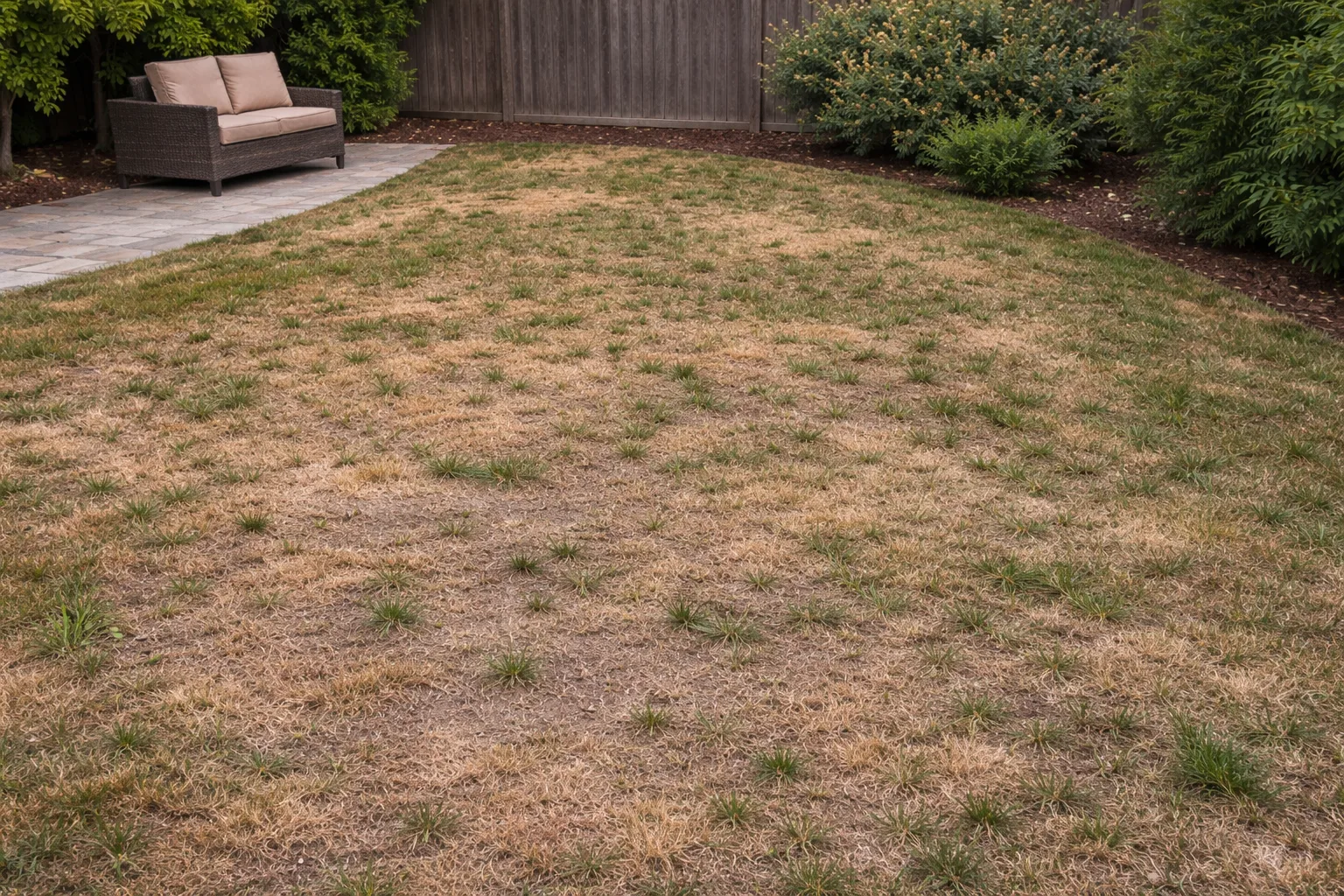
Why patchiness shows up first in the weakest areas
Patchiness is usually what happens when the lawn weakens in the most stressed sections first. The edges near driveways, the tight spots where people walk every day, and the areas under tree cover often lose density before the rest of the property catches up.
That is why a patchy lawn usually needs more than a bag of seed. The real job is figuring out why those areas keep opening up and whether the turf still has enough strength to recover.
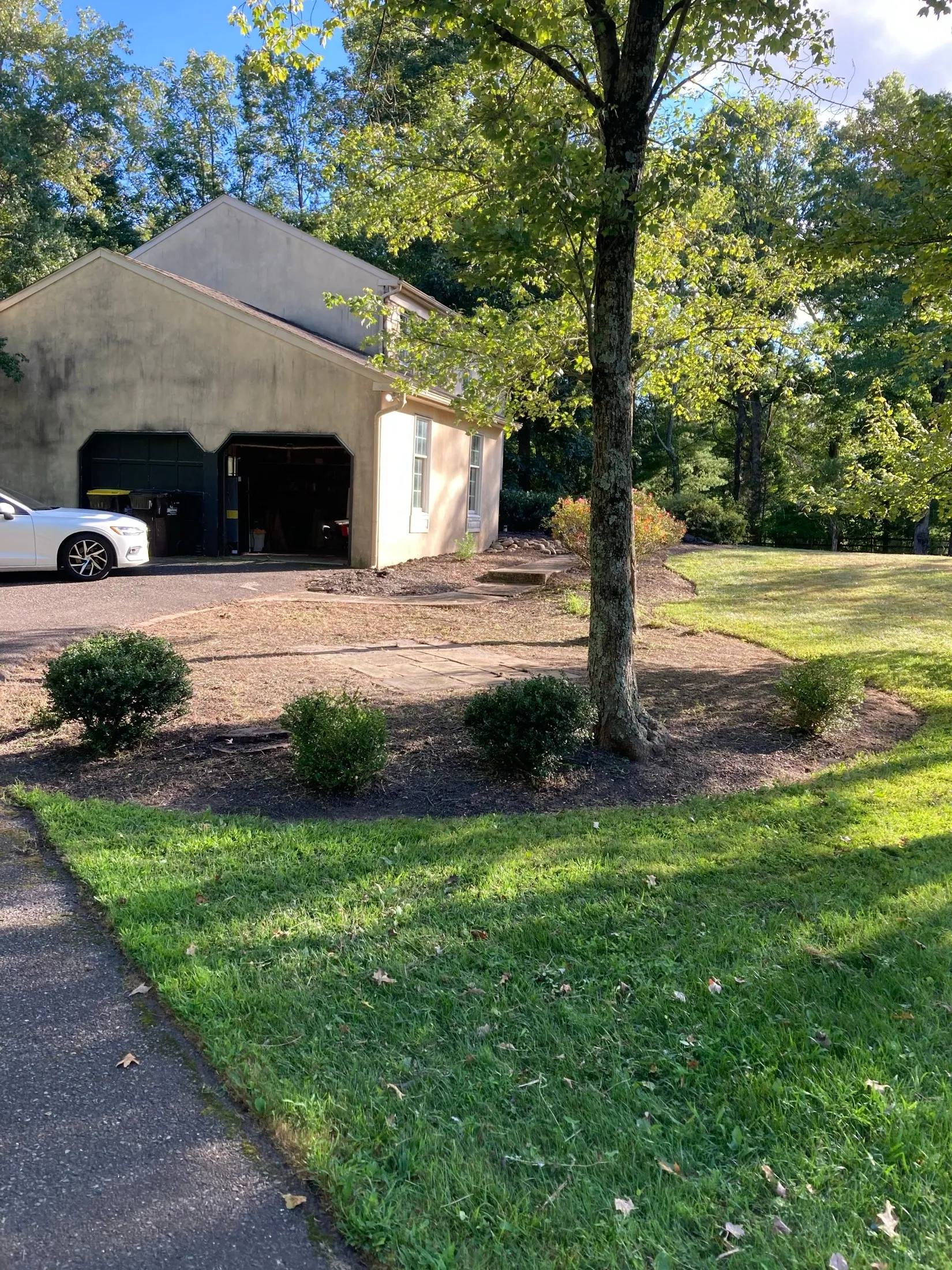
The most common patchy-lawn patterns we see
Compacted traffic lanes
Hard soil and repeated foot traffic make it difficult for the lawn to stay dense in the same narrow zones year after year.
Shade and weak turf density
Some lawns never truly fill in under mature trees or along edges where the turf was already thin and underpowered.
Summer stress on an already thin lawn
Heat and drought do not create every problem, but they expose the weakest parts of the lawn first and make patchiness more obvious.
When to treat, when to overseed, and when to repair
Treat first when coverage is still decent
If the lawn is patchy but still has broad coverage, stronger weed control and fertilization may be the first thing to tighten up.
Overseed when the lawn needs density
If the turf is clearly thin, fall aeration and overseeding are often the steps that actually help the lawn fill back in.
Repair when the gaps are broad or chronic
If the same sections keep failing or the open areas are too large, the lawn may need more than a basic seed pass.
What the right recovery plan can change
When the underlying issue is addressed, patchy areas stop behaving like isolated spots and start responding like part of a healthier lawn again. That is the difference between a short-term cosmetic fix and a lawn that actually has a chance to hold together.
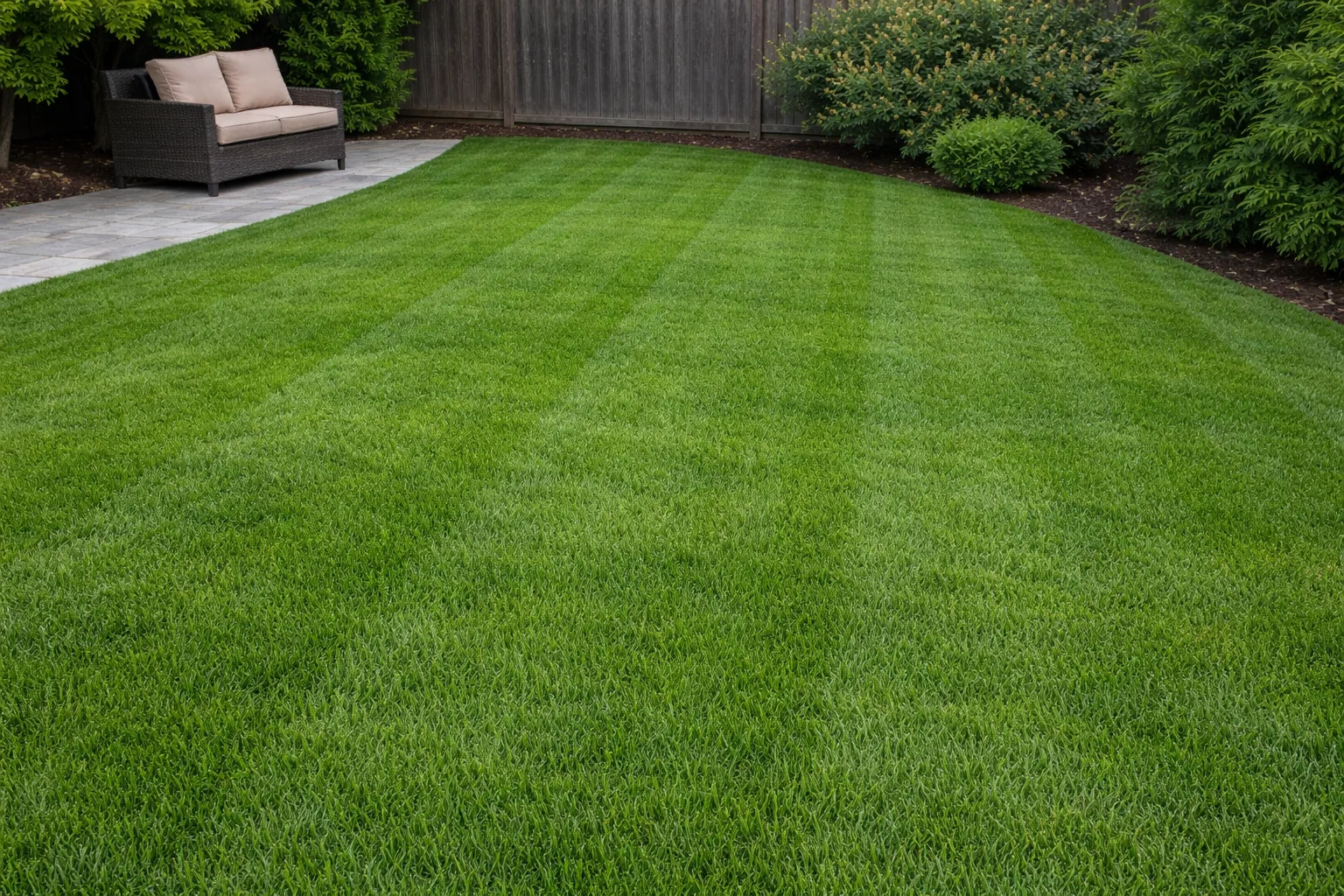
Patchy lawns often need the right sequence more than they need another quick fix.
Questions we hear about patchy lawns
Can patchy grass fill in on its own?
Sometimes, but lawns with weak density usually need a stronger treatment and recovery plan to change the outcome.
Should I overseed in spring?
Spring can help some lawns, but fall is usually the stronger window for cool-season turf recovery in Chester County.
Does patchy grass always mean I need sod?
No. Many patchy lawns improve through treatment, aeration, and overseeding before more drastic steps are considered.
What is the first service I should ask about?
Start with the condition of the lawn. Some patchy lawns mainly need treatment, while others are clearly in the overseeding or repair category.
Talk with Town & Country
Want to know whether your lawn needs treatment, overseeding, or repair?
We can help you figure out why the lawn is opening up and what kind of work actually makes sense for the property.